Bioinformatics & Drug Design Lab
The Bioinformatics & Drug Design Lab provides an integrated bioinformatics analysis and drug design platform focusing on the following five aspects: constructing an comprehensive and large biomedical data warehouse; data mining techniques for extraction of useful results from large amounts of biological data; undertaking assay of omics, including proteomics and metabolomics; dealing with methods for storing, retrieving and analyzing biological data, such as nucleic acid and protein sequences, structures, functions, pathways and genetic interactions; computer-aided drug design (CADD) technology from the availability of bioinformatics applications.
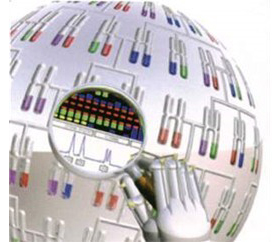
- Biomedical Database
We construct biomedical data warehouse by collecting and integrating databases of different biomedical domains. By now, these biomedical databases including SinoMed, PubMed, OMIM, GO, NCI pathway interaction database, MeSH, PubChem, TCMDB, PDB, ChEMBL, PharmaGKB, TTD, DrugBank, UniProt, UMLS and KEGG.
- Data Mining
Based on the biomedical database, typical text mining tasks include text categorization, text clustering, concept / entity extraction, sentiment analysis and document summarization are performed to derive high-quality information from these texts.
- Assay of Proteomics & Metabolomics
The lab provides a comprehensive analysis platform for protein and metabolite. Two widely used and powerful methods, including Gas chromatography (GC) and High performance liquid chromatography (HPLC) are used for separation in the lab. Furthermore, Mass spectrometry (MS) is applied to identify and to quantify metabolites after separation by GC, HPLC. Also several statistical programs are available for analysis of MS data.
- Bioinformatics Analysis
By applying computationally intensive techniques, we develop new algorithms and statistics with which to assess relationships among members of large data sets, to increase the understanding of biological processes. Also commercial software, such as ingenuity pathway analysis (IPA) is often used for casual network analysis, comparison analysis, upstream regulator analysis, mechanistic networks and pathway analysis.
- Computer-Aided Drug Design
With understanding the structure of small molecules, proteins and nucleic acids, we apply computer-aided drug design (CADD) technology to discover or design active compounds to cure the diseases. To further understand the mechanism of effects of drug / drug combination on biological network, we also develop structure- based technology to identify targets of compounds from drug / drug combination.

Associate Professor (By courtesy)
Major: Bioinformatics
E-mail: forzhengguang@163.com

Ph.D. Student
Major: Bioinformatics
E-mail: thuangsh@gmail.com

Ph.D. Student
Major: Bioinformatics
E-mail: hebinghb@gmail.com

Ph.D. Student
Major: Cheminformatics
E-mail: wangml1240@163.com
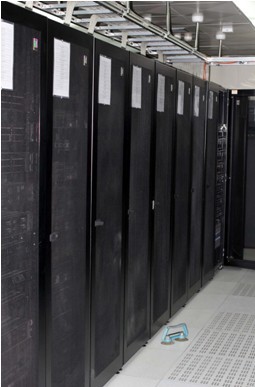
- Equipment Name: IBM X3650 M4
- Location: Rm. 307, IBRCM, Beijing
- Technician: Dr. Guang Zheng (forzhengguang@163.com)
- Description: Configuration: RAID5 HDD 1.5T / Xeon E5620×2 / Ethernet 1G×2 / Windows Server 2003 Enterprise Edition / SQL Server 2008.
Online service: text mining.
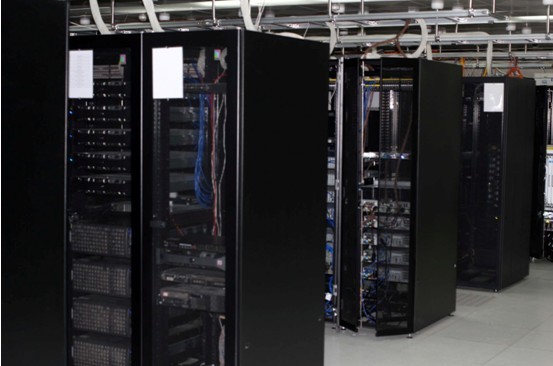
- Equipment Name: IBM X3500 M3
- Location: Rm. 107, Network Center, Lanzhou
- Technician: Dr. Guang Zheng (forzhengguang@163.com)
- Description: Configuration: RAID5 HDD 10T / Xeon E5-2620×2 / Ethernet 1G×2 / Windows Server 2008 R2 Enterprise Edition / SQL Server 2008 R2.
Online service: biomedical data warehouse and text mining.
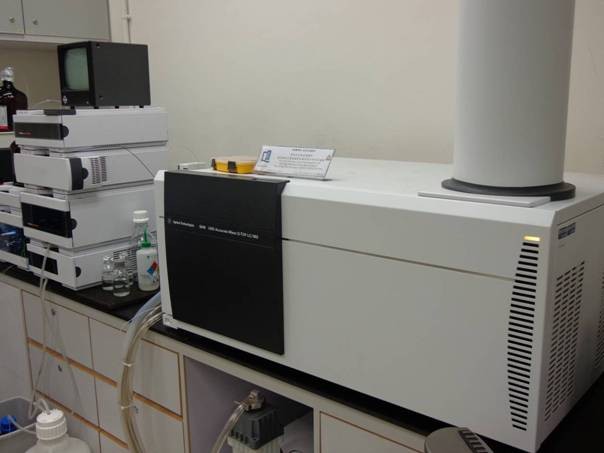
- Equipment Name: Ultra High Performance Liquid Chromatograph with Ultra High Definition Accurate Mass Quadrupole Time-of-Flight Mass Spectrometer (UHPLC UHD Q-TOF MS)
- Location: Rm. 707, SCM
- Contact: Mr. CL Chan (clchan@hkbu.edu.hk)
- Description: Discover unmatched speed and sensitivity for qualitative and quantitative analysis.
Incorporating breakthrough Agilent iFunnel technology, the Agilent 6540 Q-TOF LC/MS system delivers the lowest detection levels of any high-resolution LC/MS instrument.
For the first time ever, femtogram-level sensitivity is achievable with high resolution and accurate mass.
It’s the ideal choice for pharmaceutical, metabolite identification, discovery proteomics, metabolomics, food safety, forensics, toxicology, and environmental screening applications.
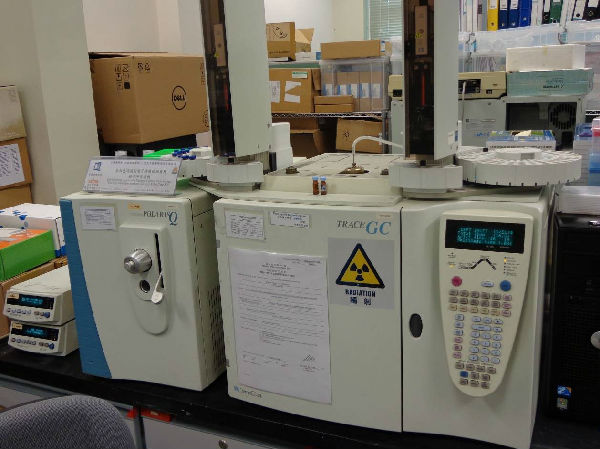
- Equipment Name: Gas Chromatograph with Electron Capture Detector and Ion Trap Mass Spectrometer (GC-ECD / Ion Trap MS)
- Location: Rm. 707, SCM
- Contact: Mr. CL Chan (clchan@hkbu.edu.hk)
- Description: The 6300 Series Ion Trap LC/MS is a complete LC/MS/MS system.
The hardware includes an optional Agilent 1200 Series LC, the ion trap mass spectrometer, and the data system.
Additionally, the Ion Trap LC/MS comes with a syringe pump for both low-flow and high-flow direct infusion work.
The software includes the Trap Control program for trap control, data acquisition, data analysis, quantitative analysis, and the Agilent ChemStation program for sample automation and LC control.
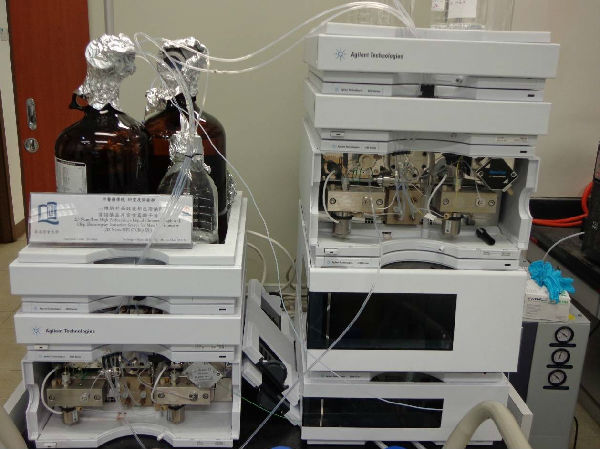
- Equipment Name: 2D Nanoflow High Performance Liquid Chromatograph with Chip Electrospray Ionisation Source for Mass Spectrometer (2D Nano-HPLC Chip ESI)
- Location: Rm. 707, SCM
- Contact: Mr. CL Chan (clchan@hkbu.edu.hk)
- Description: Electrospray ionization (ESI) is a mainstay of LC/MS. It can be used to analyze both large and small analytes and offers excellent sensitivity with robust, reliable performance.
ESI can generate both positive and negative ions, and ion polarity can be switched on a scan-by-scan basis to double the information obtained from a single run.
A dual-nebulizer ESI source is available for TOF and Q-TOF instruments. The second nebulizer is dedicated to the continuous introduction of a reference mass to ensure the best possible mass accuracy.
